
HOW TO STOP BINGE EATING & GAINING UNWANTED BODY FAT
HOW TO STOP BINGE EATING & GAINING UNWANTED BODY FAT
- Manage your Account
- Start Here
- Guides
- Nutrition
- Training
- Lifestyle & Motivation
- Webinars
- Research Reviews
- Resources
HOW TO STOP BINGE EATING & GAINING UNWANTED BODY FAT

Binge eating can be a problem for many people, but with diabetes in the mix as well, it can cause havoc with glucose levels, insulin dosing, not to mention weight gain. It often leaves people feeling out of control, frustrated and depressed.
Binge eating can occur in a number of ways: for some, there might be a really strong urge to eat things you perceive as “bad” for you; for others, it might start with one small “bad” food, which then quickly spirals out of control.
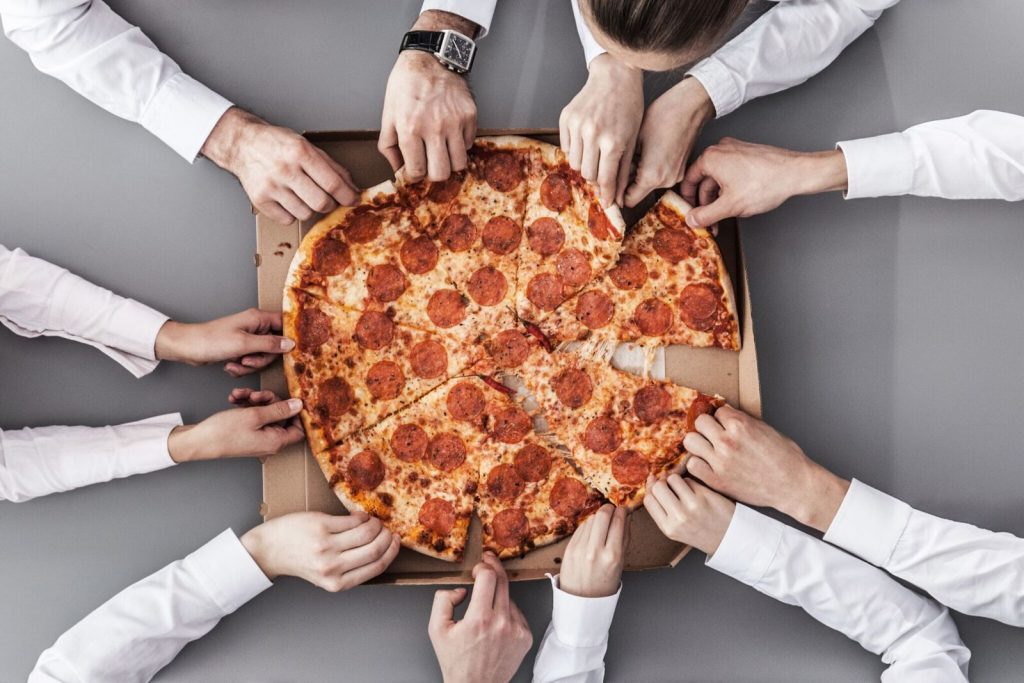
Binge eating is defined by the consumption of large amounts of food over a relatively short period of time – but, of course, this is subjective. What constitutes a binge for one person, might be a perfectly normal small snack for someone else. There’s also a big difference between the occasional over-eating episode, and full-blown binge eating disorder. Essentially, if binge-eating is impacting your weight, mood or diabetes control, it’s probably worth doing something about it.

Identifying Triggers
Log what happens before, during, and after a binge. If you can figure out what is causing you to overeat, you can manage it more effectively.
There are a number of common triggers, these include:
- Physiological Triggers: Hypoglycemia, food restriction, cravings, starvation.
- Behavioural Triggers: Environment, routine and habits.
- Emotional Triggers: Stress, anxiety, low mood, conflict, loneliness.
It may take a while before you can identify the cause of your binge eating. There might even be a number of different triggers responsible.
When a binge occurs ask yourself the following questions in as much detail as possible. Take a note as soon as it occurs – somewhere easily accessible like your phone, computer or in a notebook is ideal.
- What is the Antecedent (trigger)? Where were you? What were you doing? Who did you last speak to? What emotions were you feeling? When did you last eat?
- What is the Behaviour? What happened? What did you eat? How did it start? How did it stop?
- What was the Consequence? How did you feel afterwards? What did you do? Did it help?
Try to record this, as soon as you can, so that it’s as accurate as possible, and then see if there are any obvious patterns.
Why Can’t I stop it?
One of things about binge eating that most people struggle with is the internal battle of really wanting it to stop, but not being able to control it. At the end of the day, the binge eating serves a purpose. If it is in response to physiological triggers (hypoglycemia, starvation and food restriction), it gets the body calories and fuel that it thinks it needs. If it’s a response to emotional factors, food tends to make us feel better (at least in the short term).
Changing What You Do
Often, people end up in cycles of binge eating and it becomes a habit. I regularly hear clients and patients say “why can’t I just stop?”. The idea that we don’t have control over their behaviour is frustrating and often bewildering, but we are all human, and habits and patterns of behaviour save us energy by giving us a shortcut. You probably get ready in the morning in the same way each day – why? It means your brain doesn’t have to think about it every time and it can use that energy for something else. It’s pretty clever really, but as a result, it takes more effort to change that pattern and fight against going the easy way. Imagine you’re stood at the edge of a field of really high grass, and there is one perfectly worn path straight through the middle. Are you going to walk up that path, or try to awkwardly trample a different route? Your brain will take you up the well-worn path. Your job is to trample a new one, again and again, until that one becomes the obvious route and the other one becomes overgrown.
For example, I always end up eating stuff I shouldn’t when I go food shopping on the way home from work. Inevitability, I am marginally hungry and a bit stressed from a busy work day, so I want something to make me feel better. I can often make poor food choices, and end up mindlessly overeating chocolate on the drive home without really noticing it. Consequently, I feel awful about it, my blood glucose levels go high, I then get annoyed that I’ve ruined my control.

So, how have I managed this behaviourally?
Firstly, I don’t go food shopping after work anymore. This is a MASSIVE inconvenience. However, it stops me overeating, so in my eyes – it’s worth it. I have also set myself a personal rule not to eat in the car. I ensure I have something healthy to eat when I finish work, even if I’m not hungry. I also never shop for food when I am hungry! All these small behavioural changes interrupt my pattern of eating on the way home, and stop me overeating at what is (for me) the most vulnerable time.
There are loads of ways you could change your behaviour to interrupt these patterns, regardless of where you are or what you are doing. Bill O’Hanlon uses a good example in his book, Do One Thing Different (1999), where he describes a woman who would put on her favourite pair of shoes before starting to binge eat. This might seem ridiculous, but it’s all about breaking the pattern and shifting your attention in these moments rather than just going to autopilot and following the usual pattern.
Another trick is to do something that you absolutely cannot do if you are eating, for example, it’s pretty hard to sing whilst eating (and it would be a bit gross.) Other ideas could be to paint your nails (I’m pretty much incapacitated when my nails are wet, and I certainly won’t be ruining them by shoving my hand in a bag of crisps), playing a musical instrument, brushing your teeth, chewing gum, calling a friend, etc. Find a strategy that works for you. Check out Phil’s article for more ideas about managing your environment.

Emotional Eating
The first issue of emotional eating is recognising that it is emotional eating, but doing a few ABC examples above should help you recognise it. Here are a few ideas to help you overcome emotional eating:
- Be mindful of what you are eating. Don’t multitask when you’re eating – turn off the TV, don’t eat when you’re driving, turn off the computer, put down your phone. Sit down to eat, eat on a plate – even if it’s a small snack. If you think you are going to binge, at least do it mindfully. Say to yourself (aloud, if appropriate) “I am choosing to eat this piece of cake”; make it a decision and take responsibility for that decision. You’re more likely to feel in control of your eating, and therefore able to stop when you want to.
- Address the stress! Eating might make you feel better temporarily, but if you look at what is causing the difficult emotion in the first place, you’re likely to be far better off in the long run. Have a read of this article for more information on stress management.
- Acknowledge the emotion that you are feeling. Before reaching for the biscuits, ask yourself what is actually going on, and sit with it. This is easier said than done – loads of people struggle with tolerating negative or difficult emotions, and eating can be a great distraction for this. But, if after you’ve eaten you then have a load more negative emotions about your emotional eating or rising glucose levels, you’re going to be stuck in a tricky cycle. Take yourself off somewhere you feel safe, and actually let yourself feel whatever your feeling. This can be really hard if you are someone who usually squashes or avoids their emotions, so practice with less intensive situations. For example, if someone annoys you at work, go home and think about it. Write out what you’re thinking, feeling and where you feel it in your body…then let it go.
- Be nice to yourself in other ways. Emotional eating can go both ways; having a great day could lead to “I deserve chocolate for doing so well” just as easily as “I deserve chocolate because I feel so bad”. Unfortunately, many children and adults have grown up being both rewarded and consoled with food (“you were so good at the dentist, you can have ice cream!”) and this can be a tough habit to break. Explore other things, that make you feel better, but which aren’t food-related, as well as identifying things that you can reward yourself with when you deserve it.
Binge eating can be challenging to overcome due to the interaction of its emotional, physiological, behavioural and cognitive aspects, but it can be done. Don’t give up – you will inevitability slip up, just keep going with it. You’re not going to tread a new path on the first attempt.

Key messages:
- Log your eating and binge patterns. If you don’t know what’s going on, it’s going to be difficult to know what to do about it.
- Do something different and build a new path.
- Address your stress! That piece of cake isn’t going to cure your stress, questioning your thoughts and emotions might.
- Practice mindful eating, and take responsibility for the food choices you make.
- Reward your progress (but not with food!).
- Don’t give up!
***This article is intended to give you insight and tips into why binge eating can occur and to provide some basic strategies to manage it. If your eating is out of control, having a significant impact on your health, or you are using compensatory strategies to manage your overeating (self-induced vomiting, laxatives, excessive exercise) please speak to your GP as soon as possible. Diabetes and eating disorders are a very dangerous combination which need to be managed carefully by healthcare professionals. ***